A Future Concept for Conservation, Education & Compassion
The Yerevan Primate Center is a long-term concept and educational initiative for a future conservation, rescue, education, and research center.
The project is currently in the research and planning stage. No private primate center currently operates under this name in Armenia.
Any future development would proceed only after obtaining all legally required governmental approvals, veterinary approvals, wildlife permits, CITES compliance, environmental approvals, and any other applicable authorizations required under Armenian law.
No primates have been imported into Armenia for this project.
The primates shown here represent example species that could one day become part of the proposed conservation center if all legal, veterinary, wildlife, CITES, environmental, and governmental approvals are obtained. They are not current residents of any operating facility.
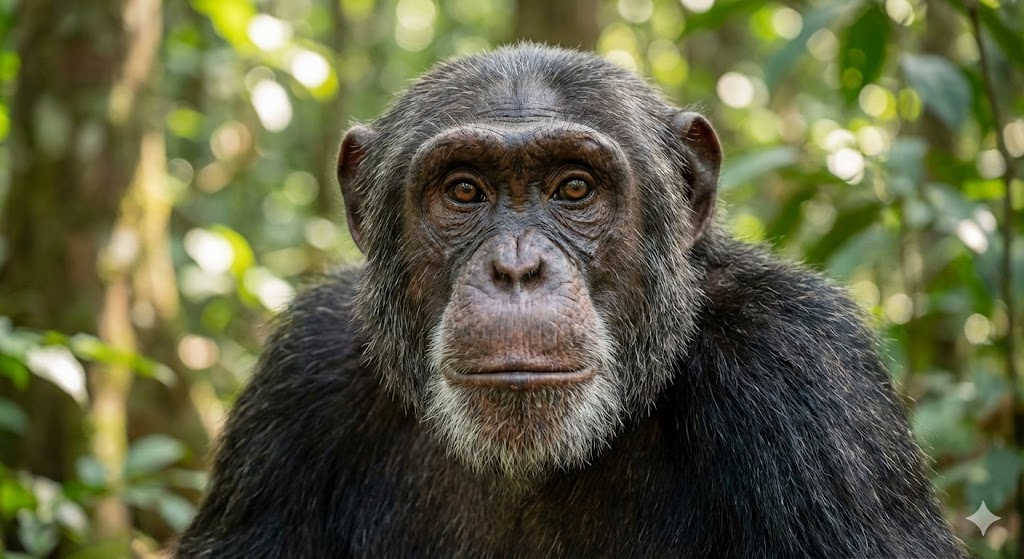
Chimpanzees are one example species that could potentially be protected through a future legally approved conservation program.
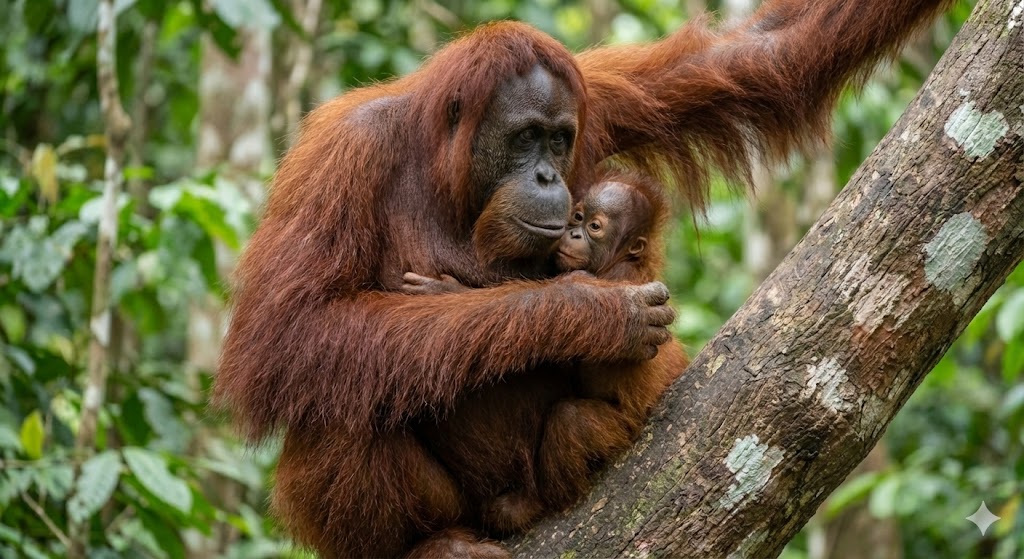
Orangutans are an example species used to illustrate the type of primate welfare education the future concept hopes to support.
Macaques are an example species that could be discussed in future education and conservation programming.
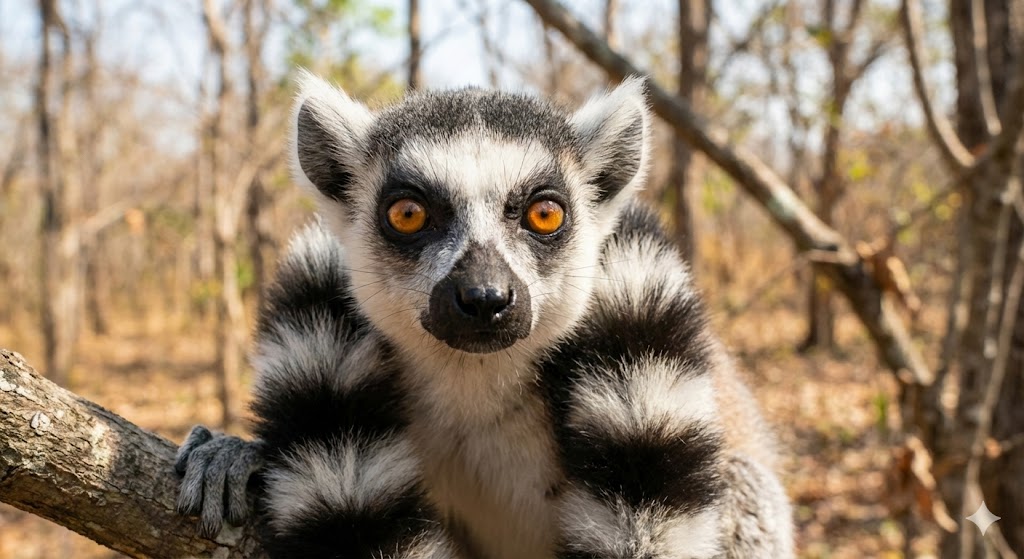
Lemurs are an example species that could help future visitors learn about habitat protection and biodiversity.
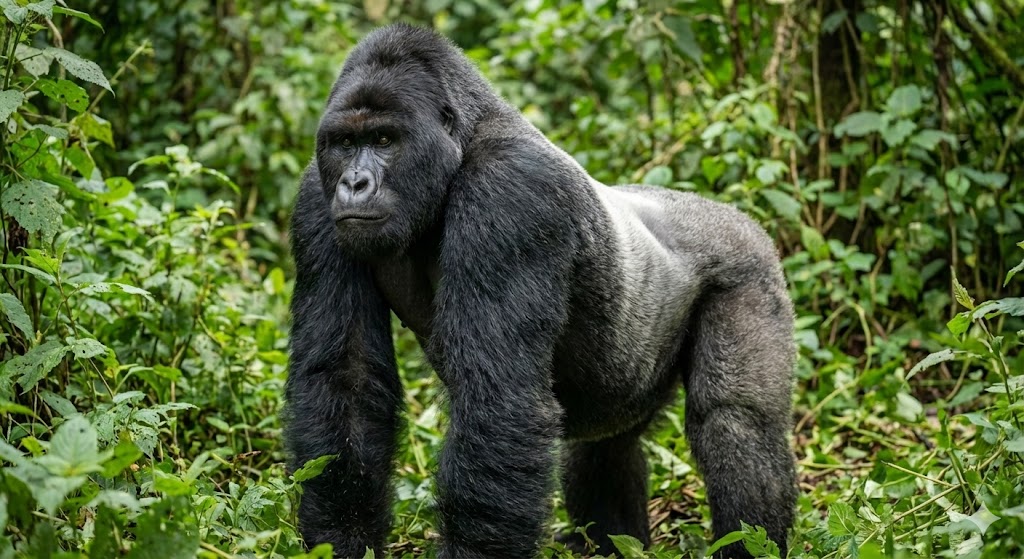
Gorillas are an example species included to communicate the importance of ethical care and long-term conservation.
Red howler monkeys are an example species that could be featured in future conservation education.
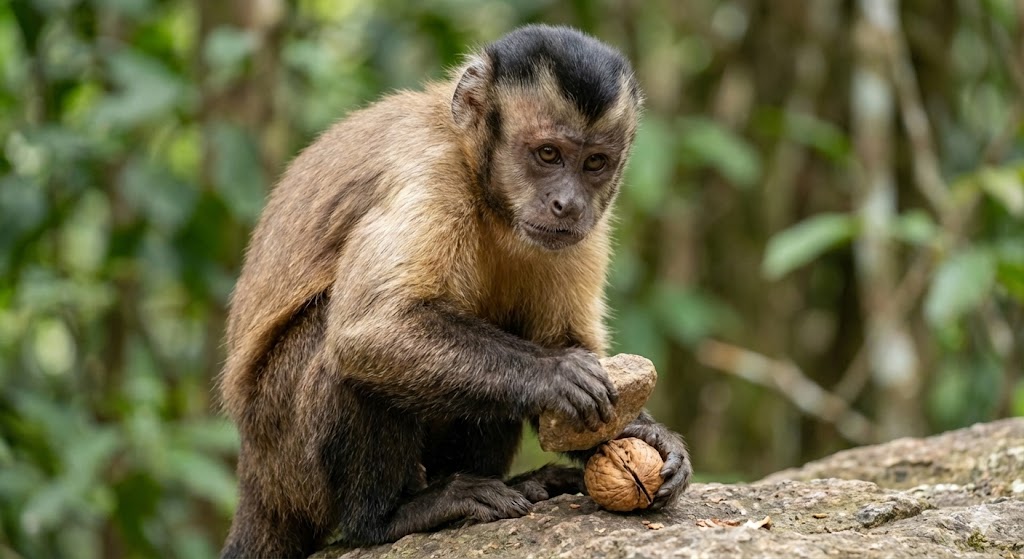
Capuchins are an example species that could help explain intelligence, social behavior, and welfare needs.
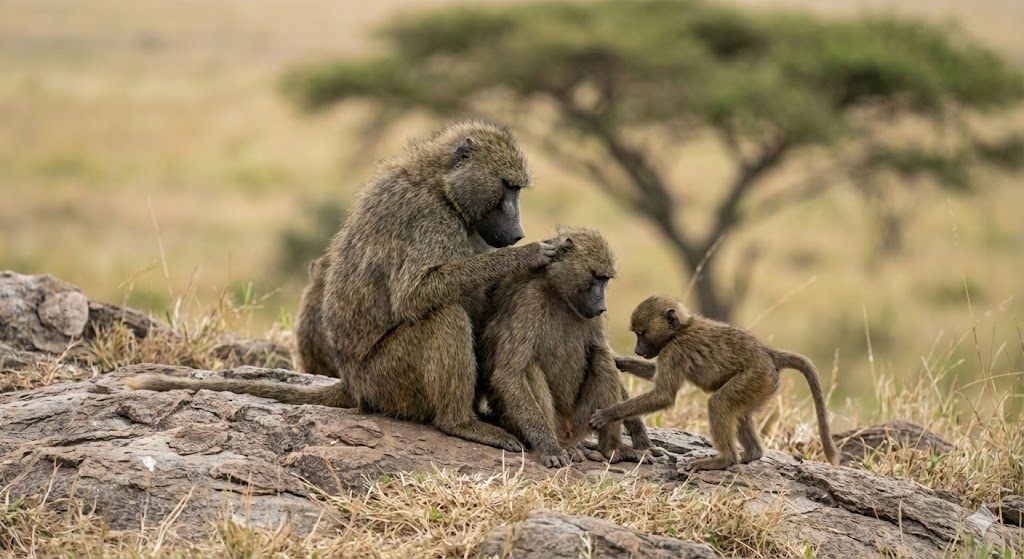
Baboons are an example species that could be included in future learning materials about primate societies.

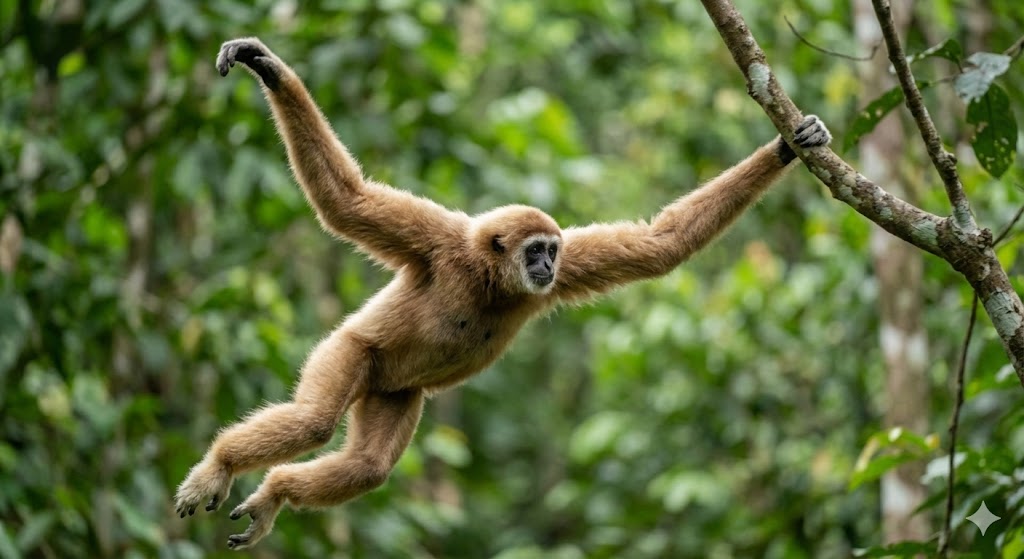
Gibbons are an example species that could support future education about forest habitats and primate movement.

Chimpanzees are one example species that could potentially be protected through a future legally approved conservation program.

Orangutans are an example species used to illustrate the type of primate welfare education the future concept hopes to support.

Macaques are an example species that could be discussed in future education and conservation programming.

Lemurs are an example species that could help future visitors learn about habitat protection and biodiversity.

Gorillas are an example species included to communicate the importance of ethical care and long-term conservation.

Red howler monkeys are an example species that could be featured in future conservation education.

Capuchins are an example species that could help explain intelligence, social behavior, and welfare needs.

Baboons are an example species that could be included in future learning materials about primate societies.

Gibbons are an example species that could support future education about forest habitats and primate movement.
The Yerevan Primate Center is a proposed future concept for ethical primate conservation, rescue, education, and research in Armenia. The vision is to plan a safe, enriching, and respectful future environment where primate welfare, scientific collaboration, environmental awareness, and public education could be advanced if the project becomes legally feasible and receives all required approvals.
The proposed center is intended to connect people with conservation values in a responsible educational setting. Future programming could include school learning materials, conservation workshops, research partnerships, and community education designed to help children and families understand wildlife protection and environmental stewardship. These activities are part of the planning vision and are not currently operating.
Pioneering Ethical Leadership in the Region
The long-term vision is for Armenia to one day contribute meaningfully to global conservation and animal welfare. If legally approved and responsibly developed, the proposed center could become a regional model for ethical wildlife protection, education, and scientific cooperation.
The Sanctuary Philosophy: Dignity Over Display
The concept is based on dignity over entertainment. Any future facility would be planned around welfare, enrichment, veterinary oversight, and ethical care. The proposal does not involve performances, entertainment-based display, or breeding animals for captivity.
Future Rescue and Welfare Planning
Primates are highly intelligent, deeply emotional beings that can suffer in illegal trade, entertainment settings, or substandard conditions. A future legally approved project could support rescue, rehabilitation, and lifelong welfare only within the limits of applicable law and expert veterinary guidance.
The Intersection of Science, Learning, and Compassion
The project vision emphasizes education, research collaboration, animal welfare, and environmental awareness. The future concept aims to inspire empathy and responsible conservation thinking while remaining in the research and planning stage.
No positions are currently open. If the project becomes legally feasible, future procurement opportunities may involve planning ethical nutrition sources, sustainable materials, and responsible supply systems for a proposed conservation facility.
Register Interest →No positions are currently open. Future technology opportunities may include educational media, planning tools, data systems, and interactive learning resources if the concept advances to an approved development stage.
Register Interest →No positions are currently open. Future management opportunities may become relevant only if the project obtains the required approvals and reaches a stage where operations planning is legally appropriate.
Register Interest →
Project Founder
Serge is the project founder behind the Yerevan Primate Center concept, combining his analytical background in mechanical engineering with a lifelong interest in wildlife and conservation education. Having traveled to natural habitats of apes, monkeys, and chimpanzees, Serge developed a strong respect for their emotional, social, and physical needs. His long-term vision is to explore whether a legally approved, high-standard future conservation and education center could help Armenian families learn about primates, animal welfare, and environmental responsibility.
Co-Project Founder of Animal Welfare
Roland brings a background in business and consulting to the planning concept, with an interest in sustainable management, animal welfare systems, nutrition planning, and responsible organizational design. His role is presented as part of a future-oriented initiative, not as employment by an operating facility. Any future animal care, population management, or welfare program would require appropriate legal approvals, veterinary oversight, and specialist guidance.
Technology Concept Advisor
Tony contributes to the technology vision for the proposed project, including possible future educational tools, digital learning resources, planning systems, and interactive conservation materials. His role is connected to concept development and future possibilities, not current facility operations. Any future technology related to animal care or visitor education would be developed only if the project becomes legally approved and operationally feasible.
No. This website presents a future concept currently in the research and planning stage.
No. No primates are currently housed under this project, and no primates have been imported into Armenia for this project.
No. The project remains a concept and educational initiative. No construction has begun.
Any future importation of protected wildlife would require compliance with Armenian legislation, CITES regulations, veterinary approvals, wildlife permits, environmental approvals, and all applicable governmental authorizations.
Not at this stage. There are no current openings or volunteer positions, but future opportunities may be announced if the project becomes legally feasible and advances beyond planning.
Questions about the concept, conservation education, collaboration, or future development are welcome. Please note that there is no operating center to visit at this stage.
info@yerevanprimatecenter.com